Buyer's Guide
What's Actually Touching Your Food? A Material-by-Material Safety Breakdown
By the SealPod team · 8 min read
Buyer's Guide
By the SealPod team · 8 min read
Consumers are paying closer attention to what touches their food. Traditional plastic containers can raise concerns around chemical exposure, staining, odor retention, and long-term durability. As a result, more people are searching for safer, long-lasting alternatives.
This guide ranks the leading non-toxic food storage materials using three factors buyers actually care about:
We'll also explain which certifications matter and what experts recommend when shopping for food storage products.
| Material | Safety | Durability | Practicality | Overall |
|---|---|---|---|---|
| 316 Stainless Steel (vacuum capable) | 10/10 | 10/10 | 9.5/10 | #1 |
| Glass | 10/10 | 7/10 | 7.5/10 | #2 |
| Food-Grade Silicone | 8.5/10 | 8/10 | 8/10 | #3 |
| Beeswax Wraps | 7.5/10 | 5/10 | 6/10 | #4 |
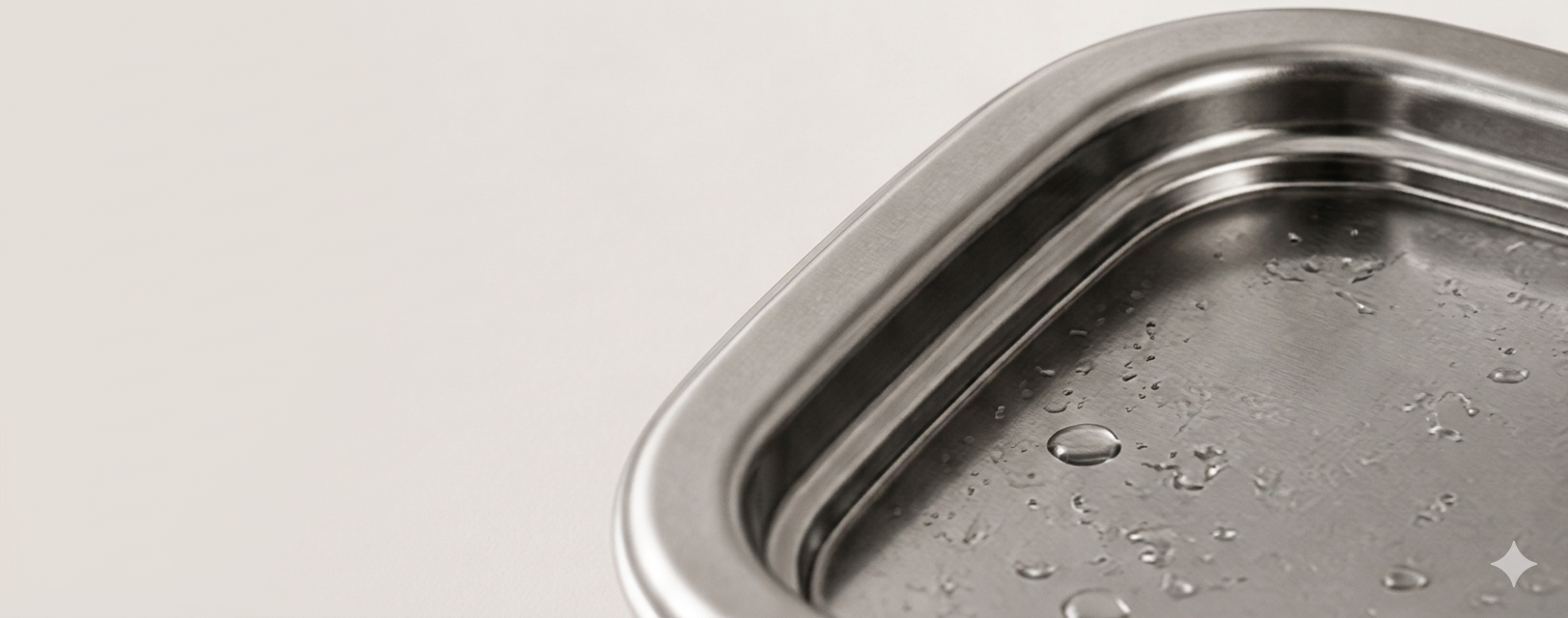
Stainless steel consistently ranks among the most trusted food storage materials because it is non-porous, highly durable, and resistant to stains and odors. Not all stainless steel is equal: most containers use 304 stainless steel, while premium products may use 316 stainless steel—often referred to as marine-grade or chef-grade for its enhanced corrosion resistance.
"Chefs and commercial kitchens prioritize high-grade stainless steel because it handles heavy use while maintaining performance over time."
One limitation of many non-toxic storage options is freshness preservation. Glass containers, silicone bags, and beeswax wraps primarily act as passive barriers. They store food, but they typically do not actively remove air.
SealPod's 316 stainless steel vacuum containers introduce a different approach by combining chef-grade stainless steel construction with active vacuum sealing technology. This creates a lower-oxygen environment designed to help maintain freshness while keeping food inside a durable non-plastic container.
That combination—premium stainless steel plus integrated active vacuum functionality—is a distinctive feature not commonly found across other non-toxic storage categories. For buyers seeking durability, premium materials, and freshness-focused storage, this positions vacuum-enabled stainless steel in a top-tier category.
Glass has long been considered a dependable choice for food storage.
Advantages: non-reactive material, does not absorb stains or smells, transparent and easy to see contents, microwave friendly in many products.
Limitations: can crack or break, heavy for travel and meal prep, less practical for active lifestyles.
Glass remains one of the safest options available but may be less convenient for families, commuters, or people carrying meals daily.
Food-grade silicone has become increasingly popular for reusable bags and collapsible containers.
Advantages: lightweight, flexible storage design, freezer-friendly, often foldable for travel.
Considerations: product quality varies significantly, lower-grade silicone may perform inconsistently, can retain odors over time.
Silicone can be a useful option when certified and sourced from reputable manufacturers.
Beeswax wraps appeal to buyers seeking a low-waste kitchen.
Advantages: reusable, compostable, useful for produce and bread.
Limitations: shorter lifespan, requires maintenance, not ideal for liquids or many leftovers, less versatile overall.
While environmentally appealing, beeswax wraps work best as a supplemental tool rather than a complete food storage system.
01
Indicates the product does not contain bisphenol A. Stainless steel and glass often avoid BPA concerns entirely, but lids or accessory components may still contain plastics.
02
Products marketed for food use should comply with food-contact safety requirements. Look for manufacturer disclosures regarding FDA food-contact compliance or equivalent standards.
03
Particularly important for silicone products. LFGB standards are often considered stricter than many baseline food-contact requirements.
04
Independent testing provides additional confidence regarding material quality and manufacturing standards.
Materials that maintain structural integrity through years of repeated use frequently perform better than products requiring frequent replacement.
For buyers prioritizing long-term durability, minimal material concerns, and premium construction, stainless steel remains one of the strongest choices available. Glass performs exceptionally well for home kitchens. Silicone offers flexibility and portability. Beeswax wraps serve niche eco-conscious needs.
For shoppers looking for a premium category option, SealPod's 316 stainless steel vacuum containers combine chef-grade materials with active vacuum sealing technology—a feature uncommon among other non-toxic storage solutions.
If your goal is reducing plastic dependence while improving food preservation, high-quality stainless steel systems represent one of the most future-proof investments available.
Premium stainless steel, vacuum-sealed for freshness that lasts.
Shop the collection